




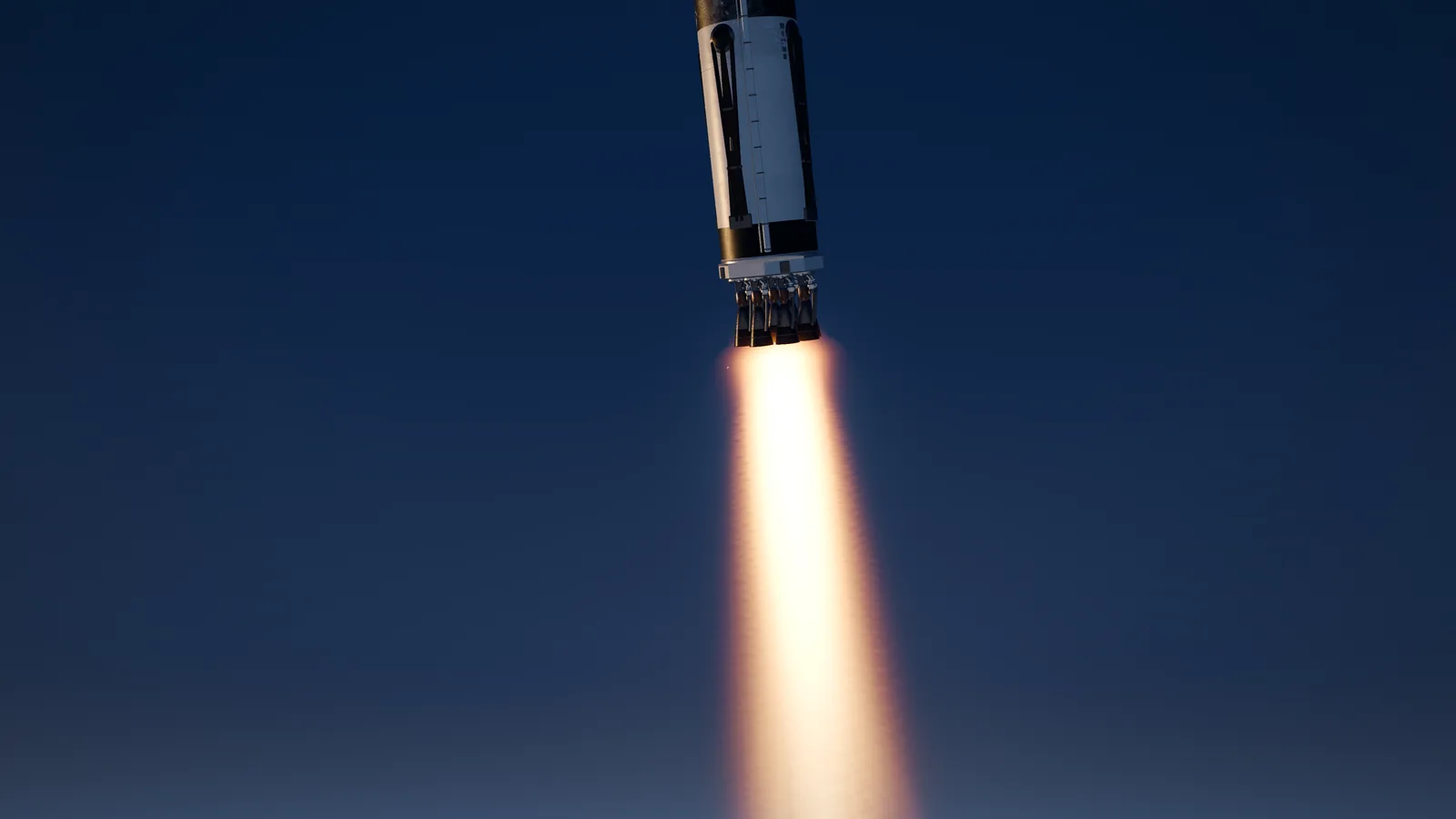
In-game capture from SpaceSim: Pale Blue Dot: a rocket stage firing its engines against a deep blue sky, the exhaust plume trailing below.
Coming soonTBA · Simulation · Space

SpaceSim: Pale Blue Dot

Build and launch your own rockets, explore the Solar System, and trace light around a black hole.

A single-player space simulation that brings together rocket building, spaceflight and astronomy. Your journey starts with a small test rocket. What you learn and deliver opens the way to larger vehicles, orbital infrastructure and distant destinations.

Status
Coming soon
Platforms
Steam (desktop)
Genre
Simulation · Space
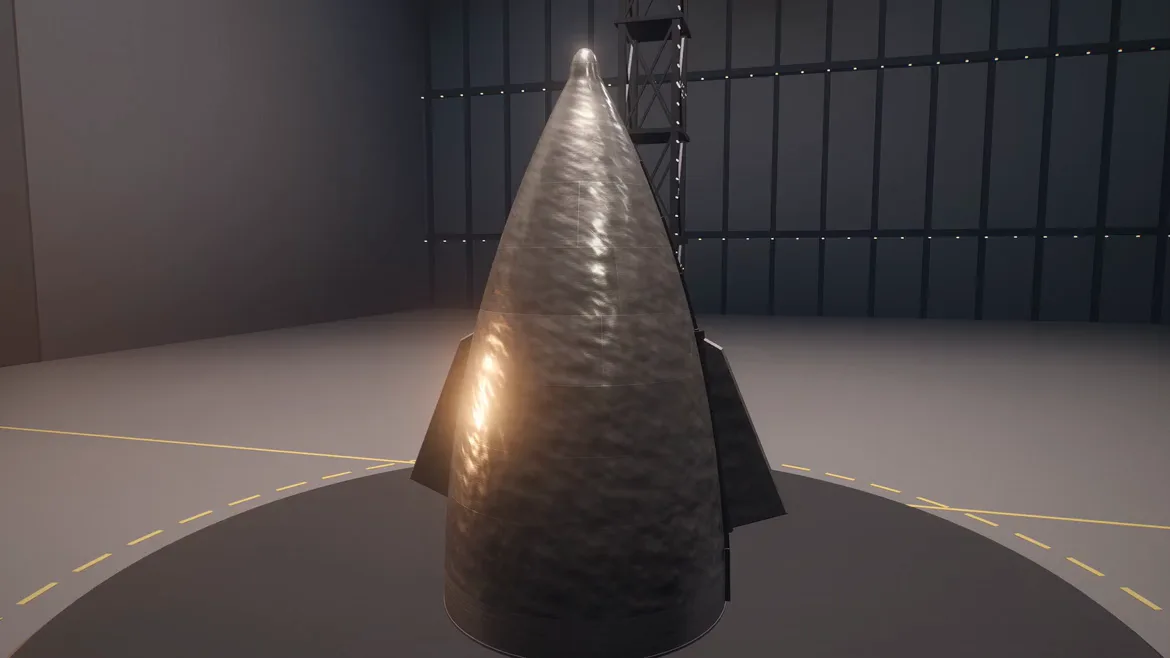
Design a rocket for the mission
In-game capture. Assembly condensed to six seconds.

Design a rocket for the mission

Step into the High Bay at the fictional Pelican Point launch site. Assemble fuel tanks, engines, boosters, decouplers, capsules, landing gear and payload fairings, and compare mass, thrust and delta-v as the design takes shape. The flight check tells you what it can achieve and where it falls short.
Launch, learn, unlock the next step
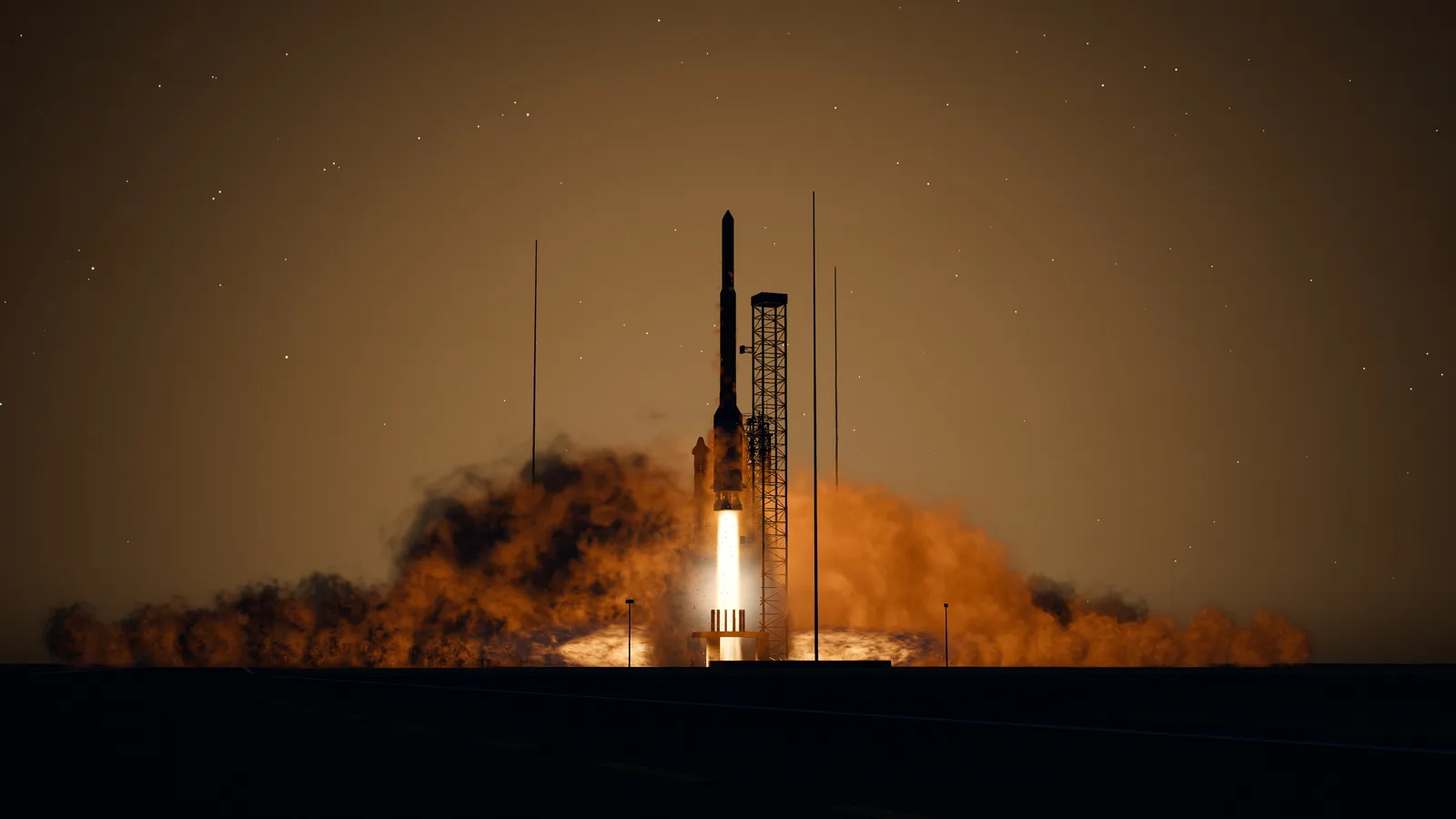
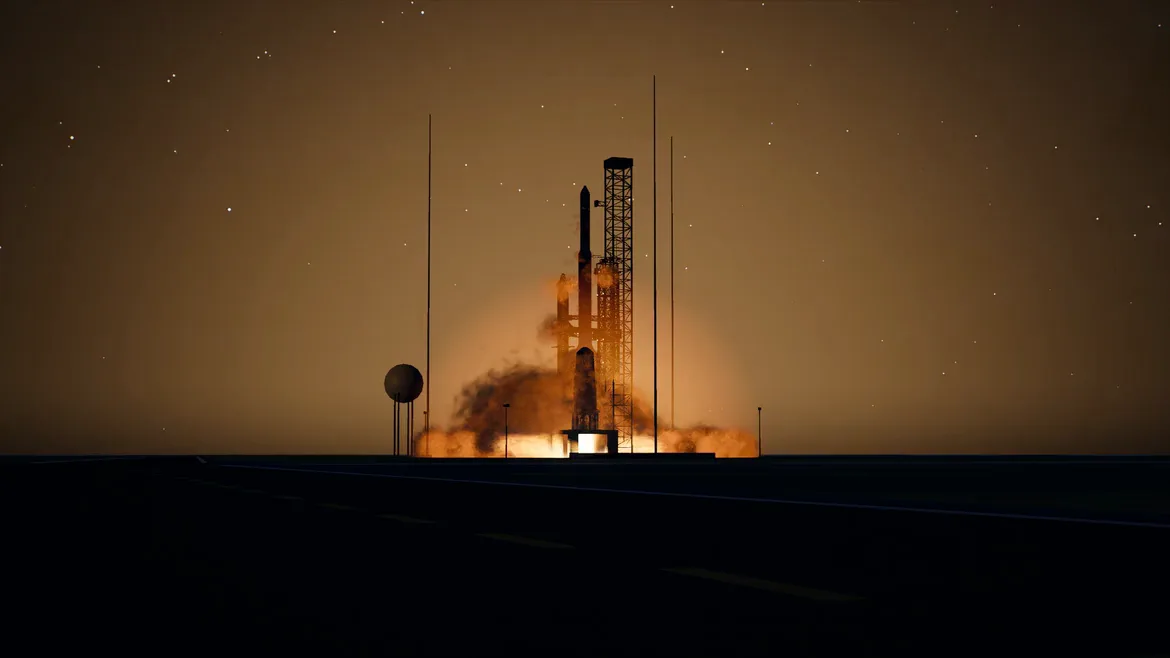
A night launch at Pelican Point. In-game capture.

Launch, learn, unlock the next step

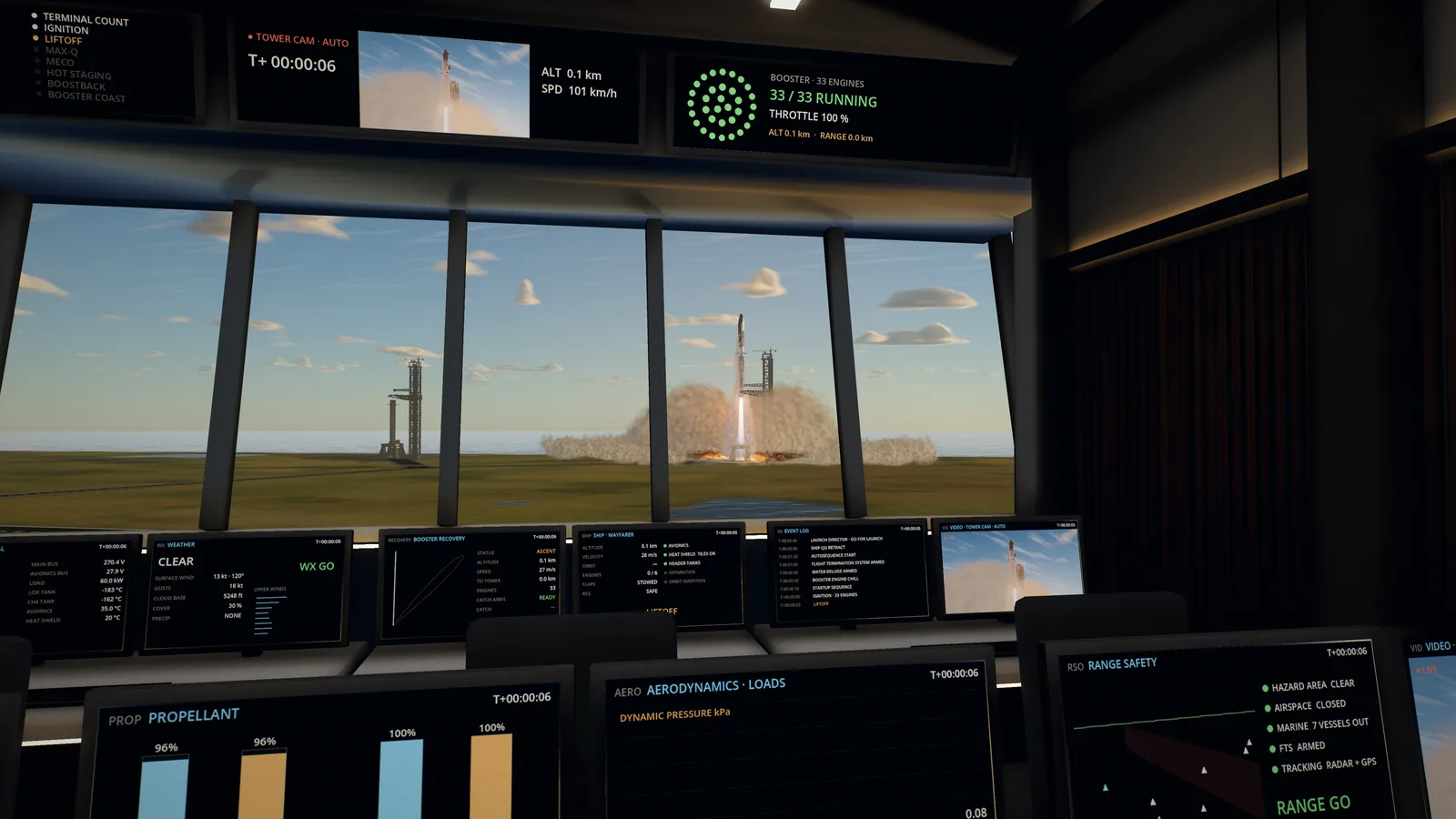
Follow your rocket from the pad and Mission Control. Reach the edge of space, work toward low Earth orbit, then design for lunar and Martian missions. Launch objectives unlock new parts and reference blueprints, and every payload counts: CubeSats, satellites, station modules, habitats, supplies and rovers.

From Earthrise to the outer planets
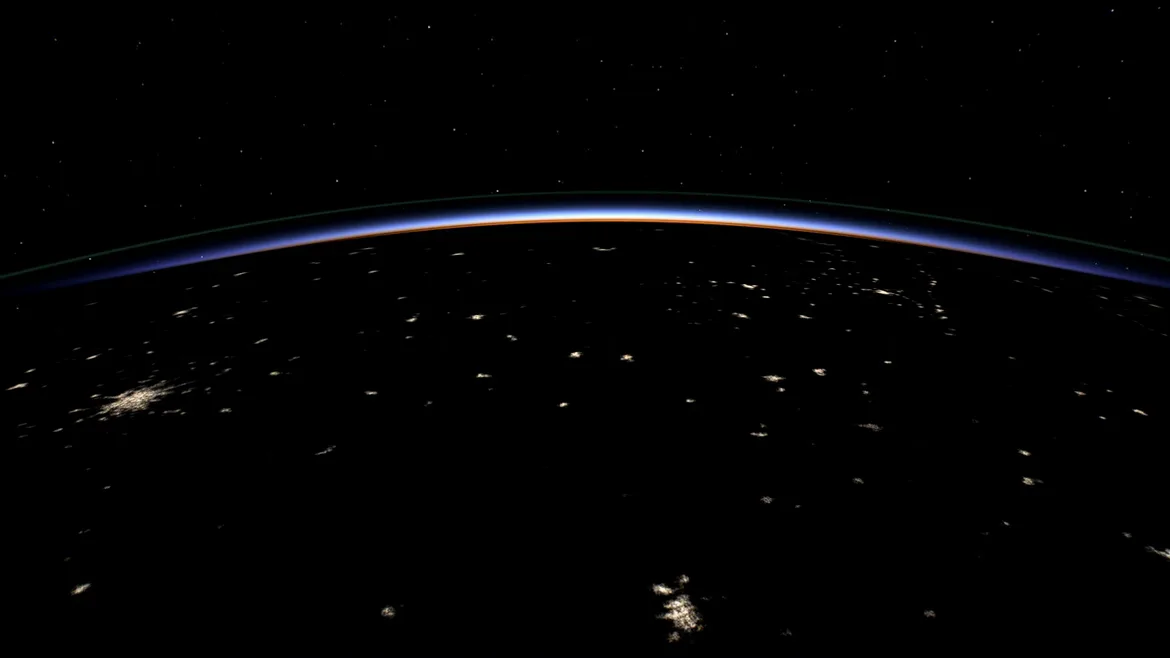
Sunrise over Earth from orbit. In-game capture.

From Earthrise to the outer planets

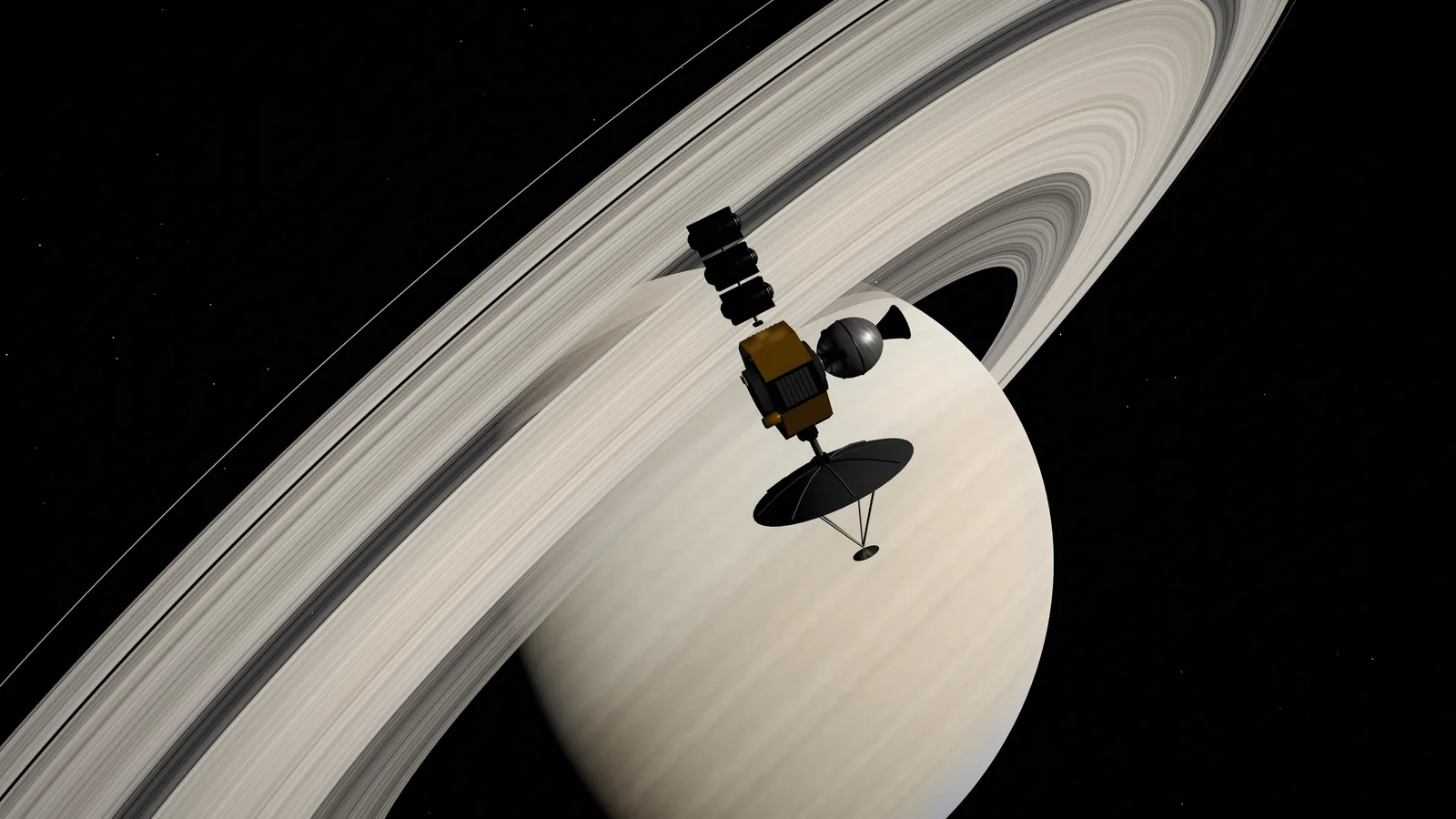
See Earth rise over the Moon’s horizon and follow the campaign toward lunar and Mars landings, then continue to Jupiter and its Galilean moons, Saturn and its rings, and beyond Neptune. Guided expeditions explain what you see; free flight lets you take your time.

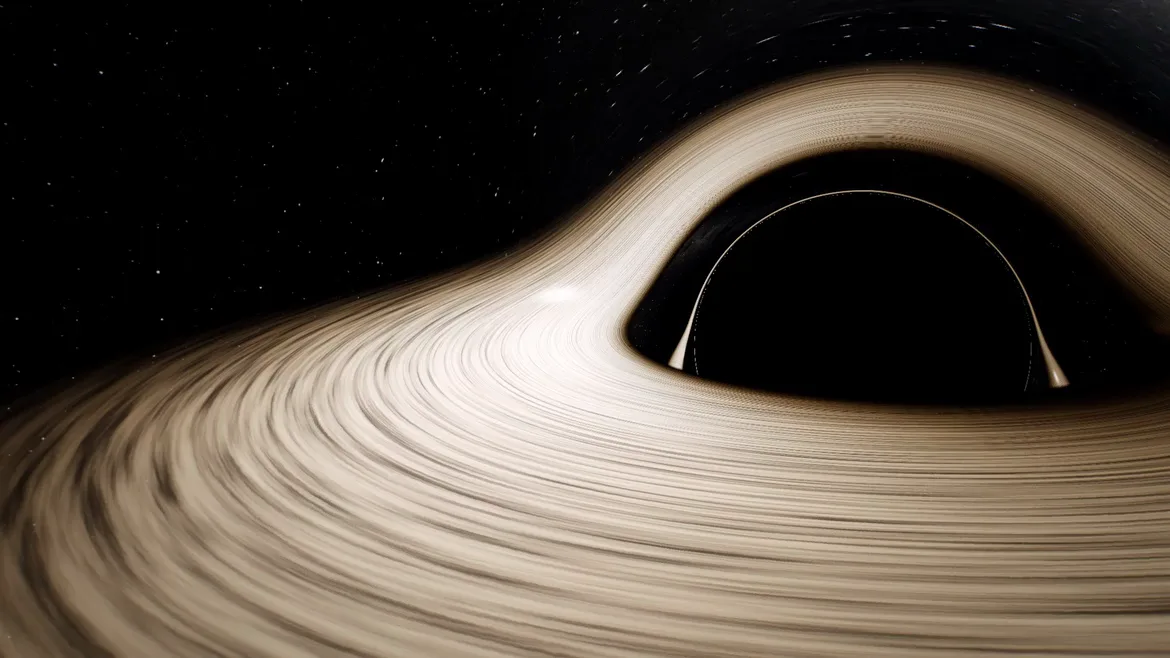
A black hole, ray by ray
Orbiting the non-spinning black hole. In-game capture.

A black hole, ray by ray

Fly around a non-spinning black hole modeled with Schwarzschild gravity. Switch light bending, gravitational shift and Doppler beaming on and off, compare your clock with a distant one, and follow an infalling observer across the horizon.

Mission Control during a launch: consoles in the foreground, the rocket climbing beyond the windows.
A probe passing Saturn and its rings.
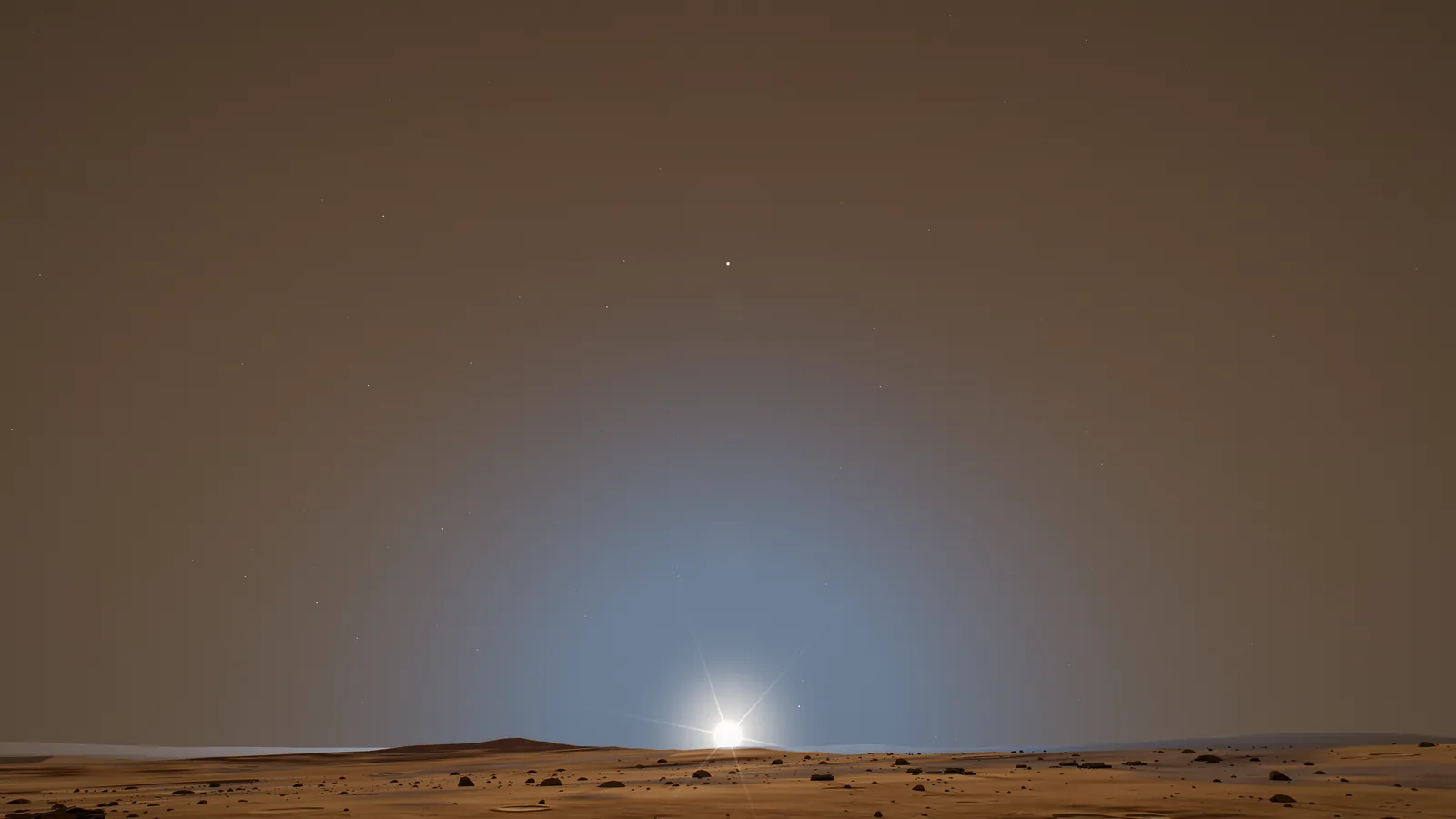
The Sun setting over the Martian horizon, seen from the surface.
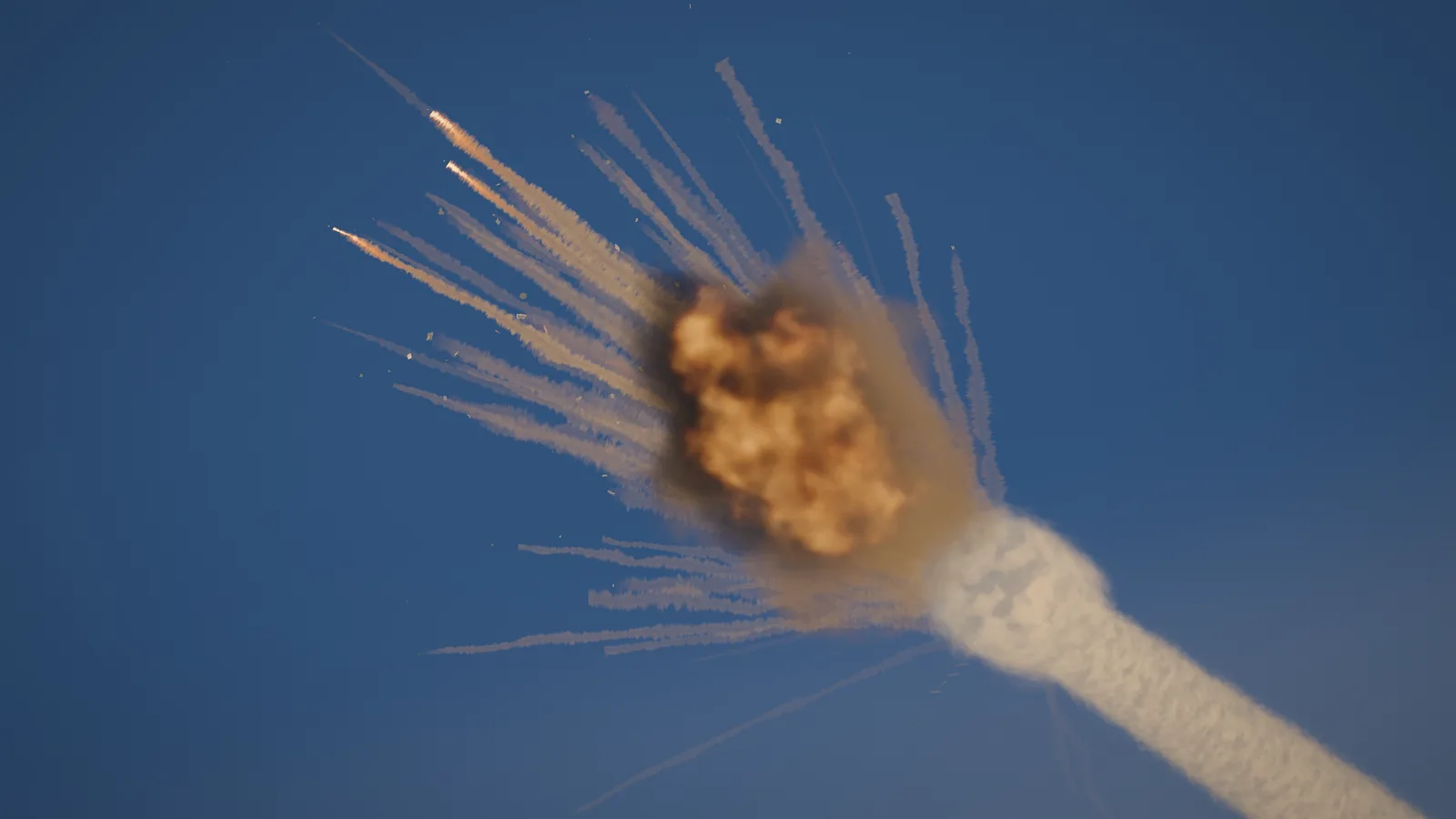
A rocket breaking up during ascent, debris trailing smoke across the sky.
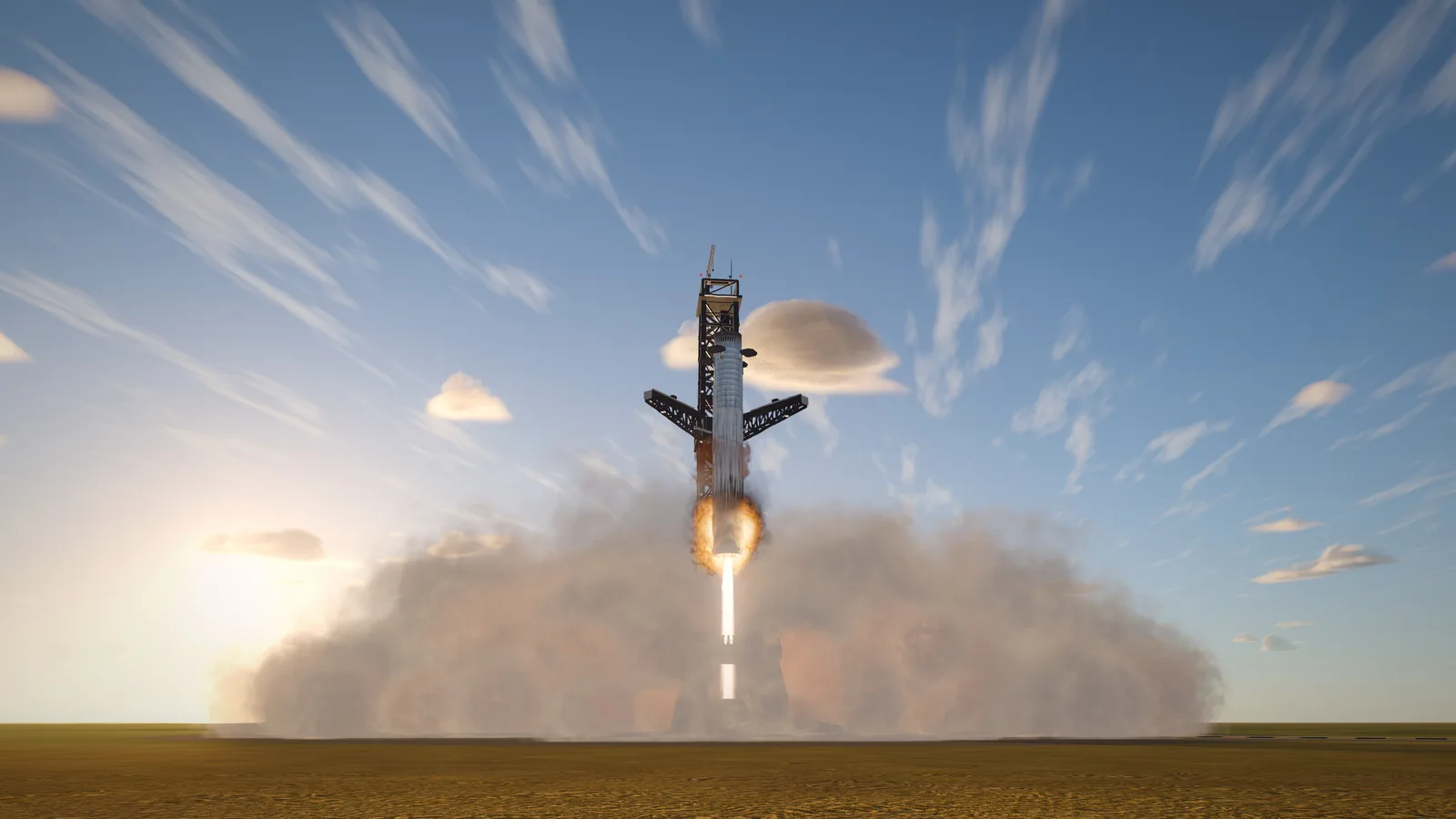
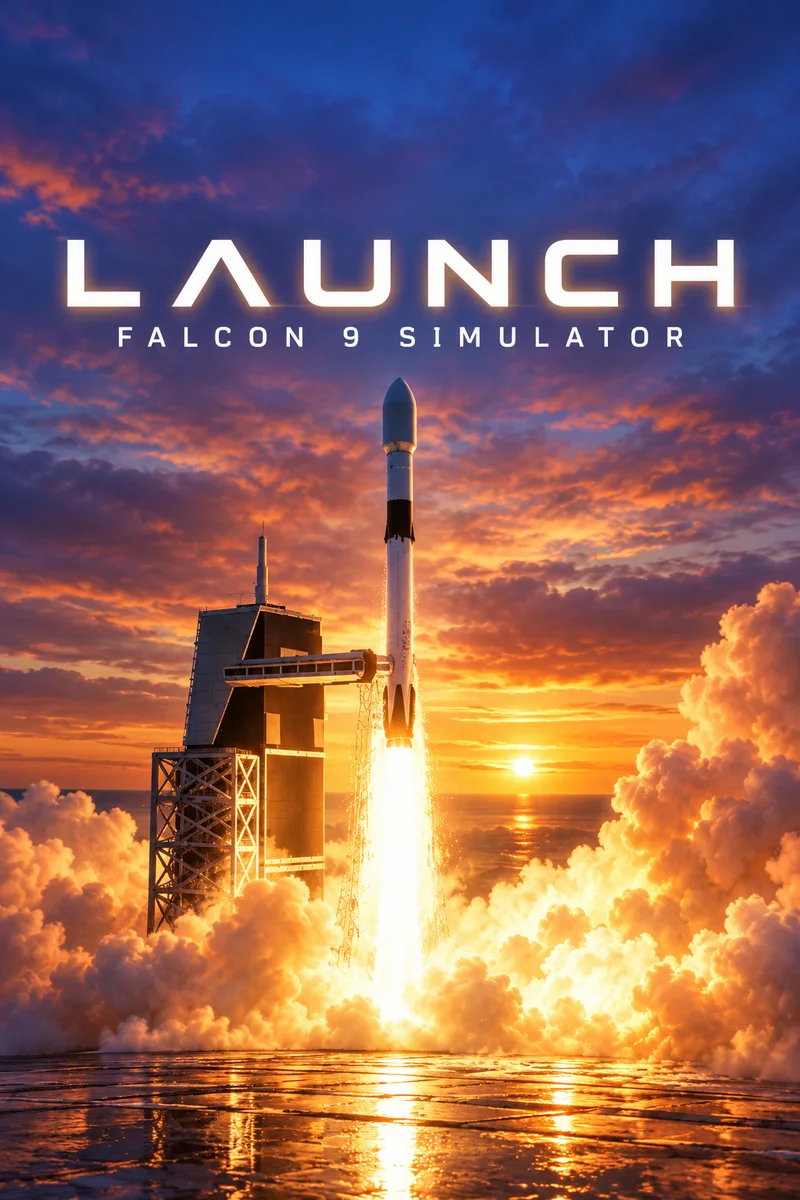
A rocket lifting off beside the launch tower, its exhaust illuminating the pad.
A returning booster approaching the launch tower for a catch.
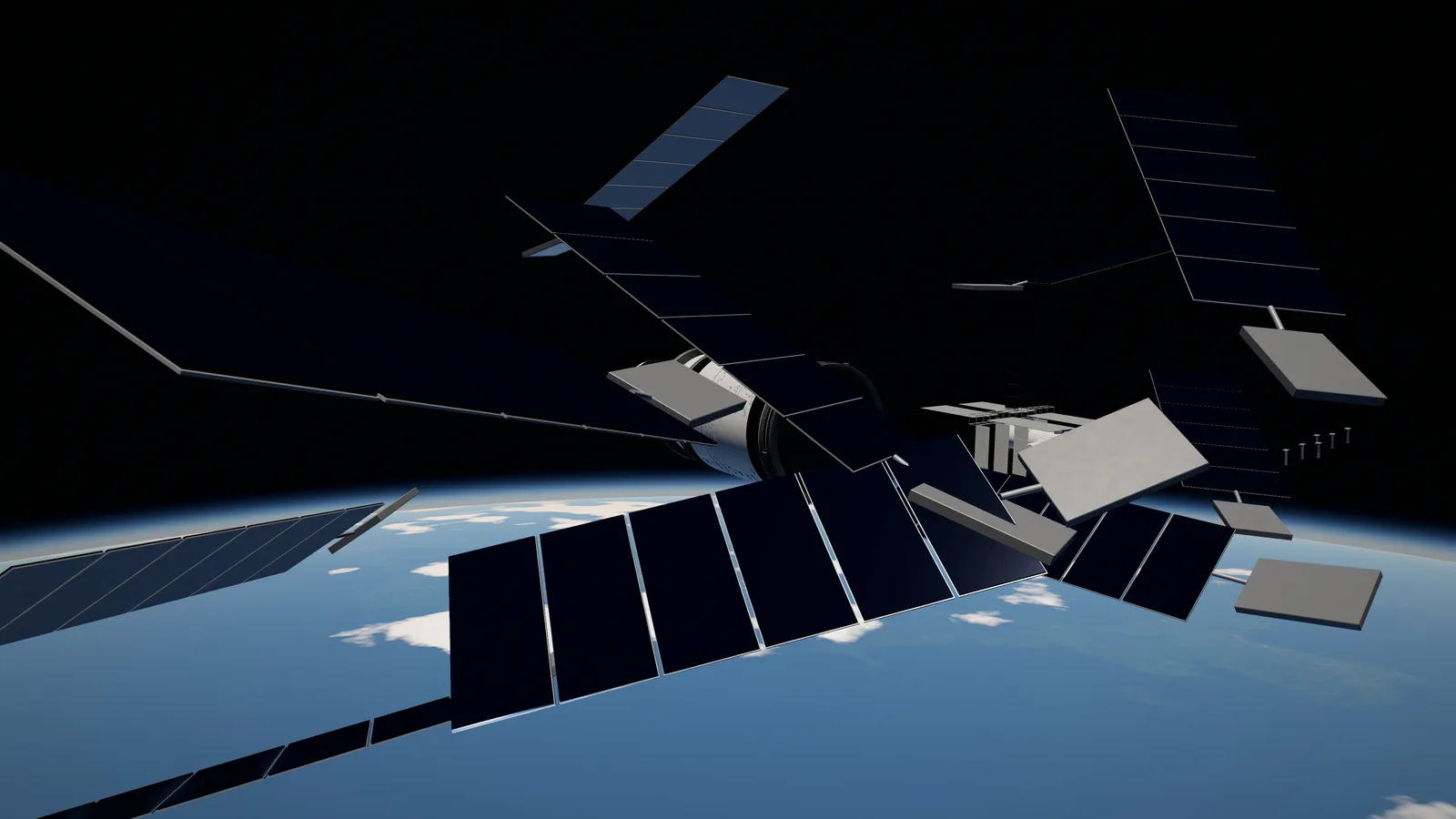
An orbital station above Earth, with its modules and solar arrays visible.
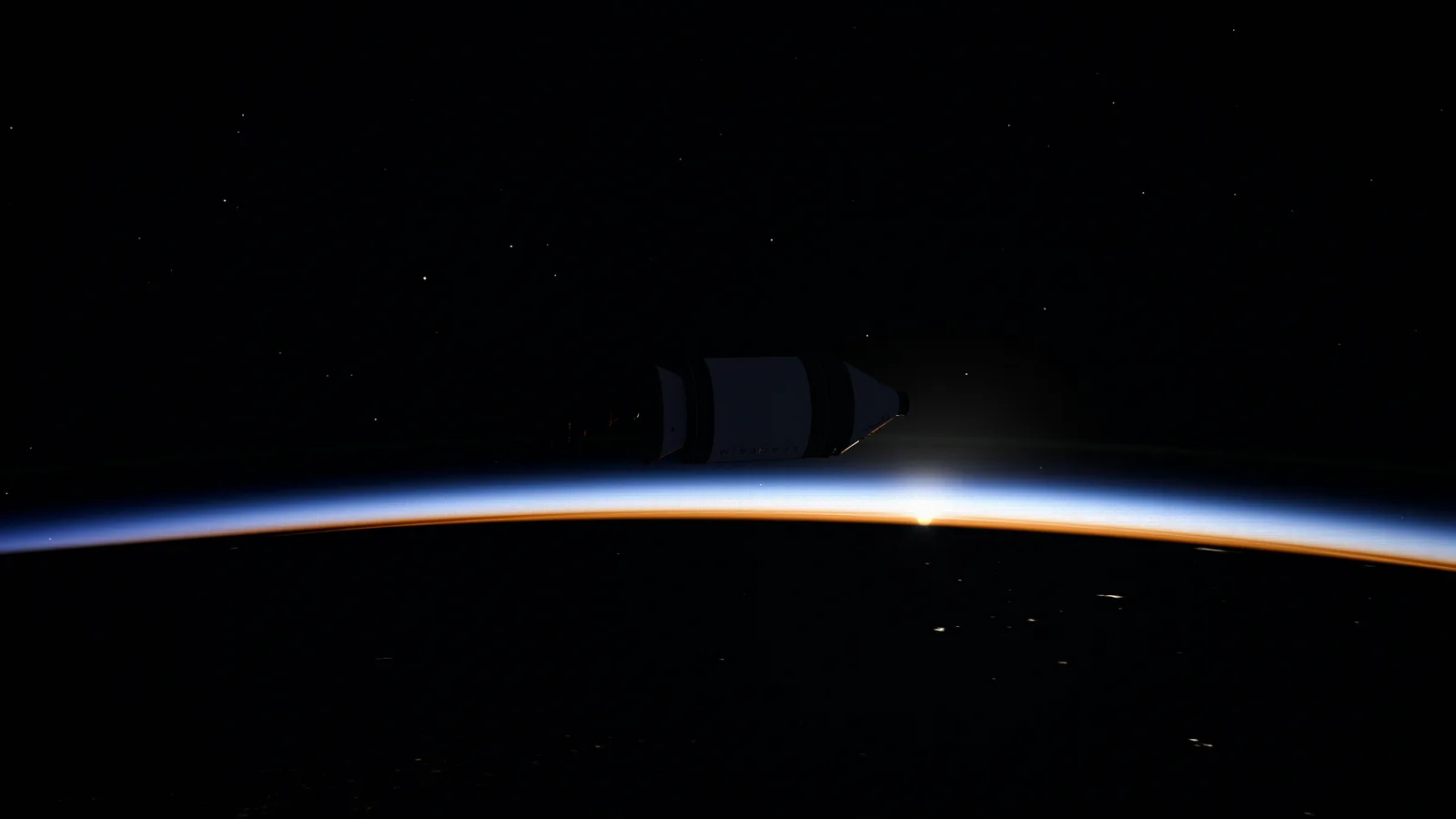
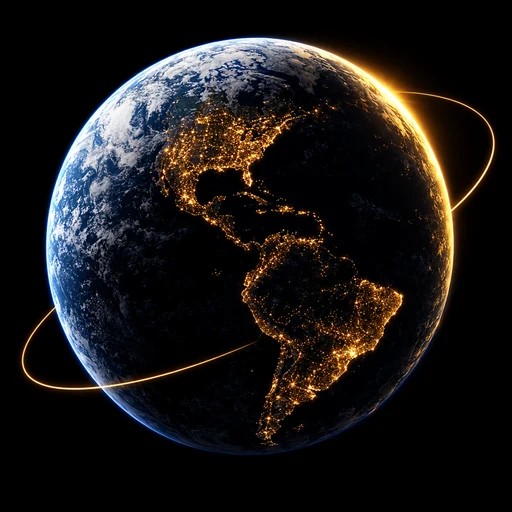
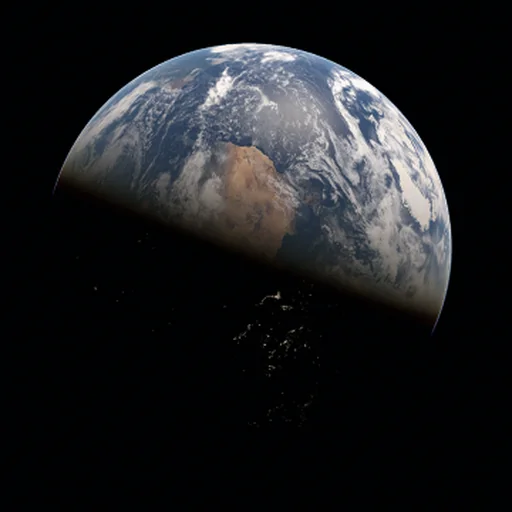
Sunlight emerging over Earth’s curved horizon from orbit.
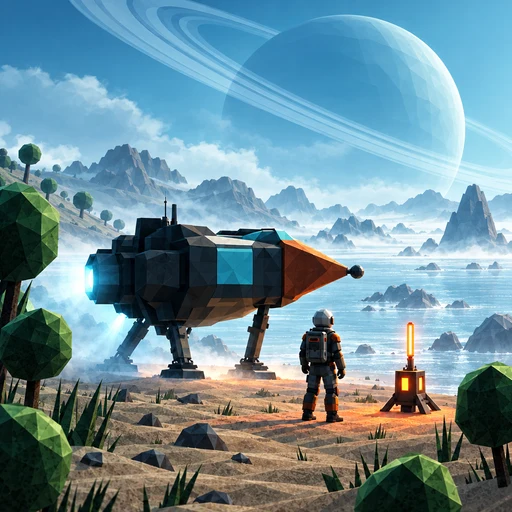
SpaceSim: Pale Blue Dot cover art

In the box

  • Modular rocket builder
  • Thrust, mass and delta-v checks
  • Satellites, stations, habitats, rovers
  • Earth orbit, Moon, Mars, outer planets
  • Black hole with Schwarzschild gravity
  • Guided expeditions and free flight
  • Keyboard and mouse

Pelican Point is an imagined launch site, and its launches are simulated. Planetary maps draw on NASA and USGS data; the black hole model is non-spinning, and the speculative engines of later chapters are not technology available today.

More from the studio

All games